Welcome back to the court, pickleball family. Today we're putting two heavy-hitting paddles head-to-head: the Selkirk Amped Pro Air (Midweight Invikta) and the JOOLA Perseus Heat Vision 16mm. These two paddles represent some of the best engineering currently hitting the courts, but they take very different approaches to delivering power, spin, and touch. If you've been wondering which of these premium paddles deserves a spot in your bag, grab a seat on the bench. We're going to break down everything from the core material composition and face materials to how their weight distribution affects your swing mechanics.
By the end of this showdown, you'll understand exactly how the fiberglass face of the Selkirk stacks up against the carbon fiber of the JOOLA, and more importantly, which one matches your specific playing style.
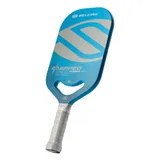
Watch: Selkirk Amped Pro Air Pickleball Paddle - Blue Midweight Invikta
Understanding the fundamental differences between these two powerhouses is essential for making the right choice. Whether you are looking to upgrade your current setup or find a paddle that perfectly compliments your transition from tennis to pickleball, analyzing their specs side-by-side reveals exactly what each paddle was built to accomplish.
Let's take a quick look at how the raw specifications of these paddles compare on paper before we dive into the specific details of how they actually perform during competitive play on the court.
Quick Comparison Table
| Feature | Selkirk Amped Pro Air | JOOLA Perseus Heat Vision 16mm |
|---|---|---|
| Price | $142.49 | $99.95 |
| Core | 16mm X5+ Honeycomb Polypropylene | 16mm Thermoformed Carbon Fiber |
| Face | FiberFlex+ Fiberglass | Textured Carbon Fiber |
| Rating | 4.5 Stars | 4.7 Stars |
| Best For | Power & Reach | Spin & Control |
Selkirk Amped Pro Air Deep Dive
When you first pick up the Selkirk Amped Pro Air Midweight Invikta, the elongated shape immediately catches your eye. This paddle is designed for players who want that extra reach at the kitchen line and a bit more leverage on their drives. The heart of this paddle is its X5+ Honeycomb 16mm Polypropylene Core, which provides a plush feel when you're dinking, yet still offers plenty of pop when you need to put the ball away.
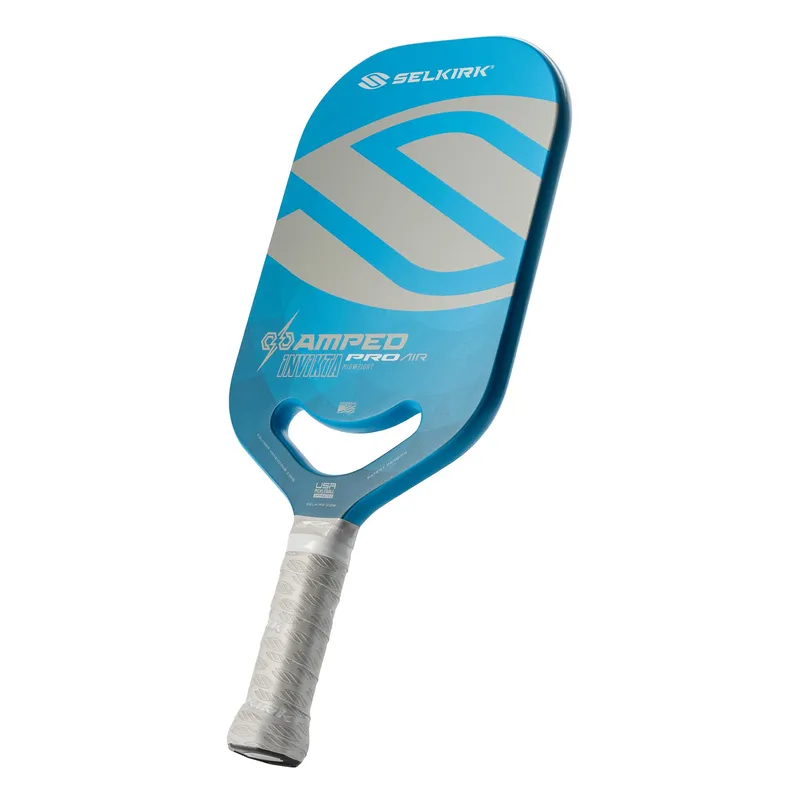
The FiberFlex+ Fiberglass Performance Face is where this paddle really shines for power players. Fiberglass naturally has more trampoline effect than carbon fiber, giving your shots extra juice without having to swing out of your shoes. The Air Dynamic Throat is a smart engineering touch—it reduces drag and speeds up your swing, which helps counteract the slightly heavier feel of an elongated paddle. The tennis-like grip is comfortable, though the thicker handle might not be for everyone. Just keep in mind that at $142.49, it's an investment, and the lack of an included cover is a slight bummer for a paddle in this tier.
Having spent considerable time testing the Amped Pro Air, the immediate takeaway is just how forgiving the fiberglass face feels during high-pressure rallies. The combination of the open throat design and the specific weight balance makes it a truly unique offering in the current market landscape.
Does the open throat design on the Selkirk Amped Pro Air really make a difference? expand_more
Yes, the Air Dynamic Throat is designed to reduce aerodynamic drag, allowing for faster swing speeds which helps compensate for the elongated paddle's higher moment of inertia.
Transitioning from a fiberglass powerhouse to a carbon fiber tactician requires an adjustment in both mindset and mechanics. Let's look closely at what the JOOLA brings to the table for players seeking ultimate control.
JOOLA Perseus Heat Vision 16mm Deep Dive
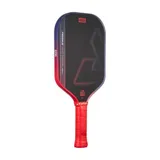
Stepping onto the court with the JOOLA Perseus Heat Vision 16mm feels like you've unlocked a cheat code for spin. Endorsed by the legendary Ben Johns, this paddle uses a thermoformed carbon fiber design. For those new to the term, "thermoformed" means the paddle is molded together under heat, creating a unibody construction that extends the sweet spot almost to the edges and provides a very consistent, solid feel on impact.
Watch: JOOLA Perseus Heat Vision 16mm Pickleball Paddle - Ignite Blaze Red
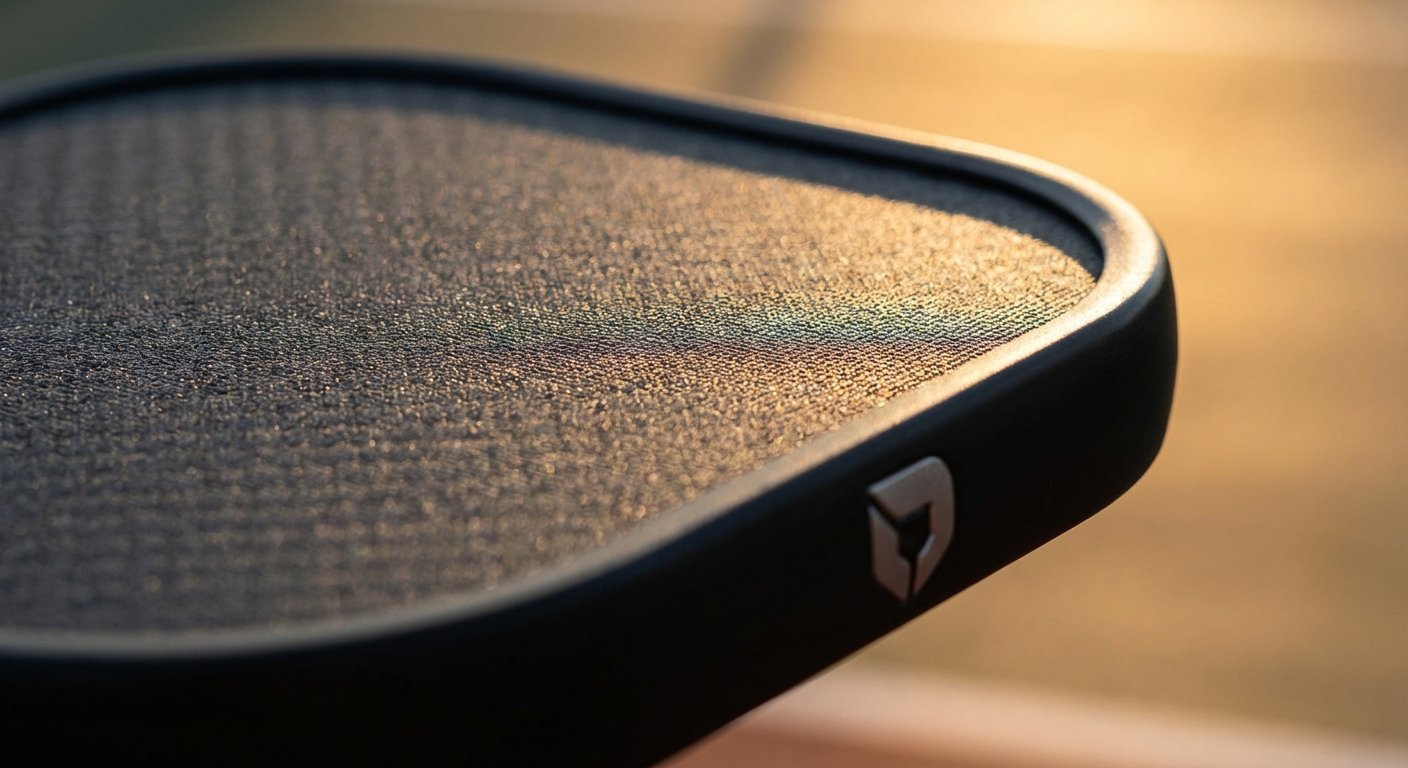
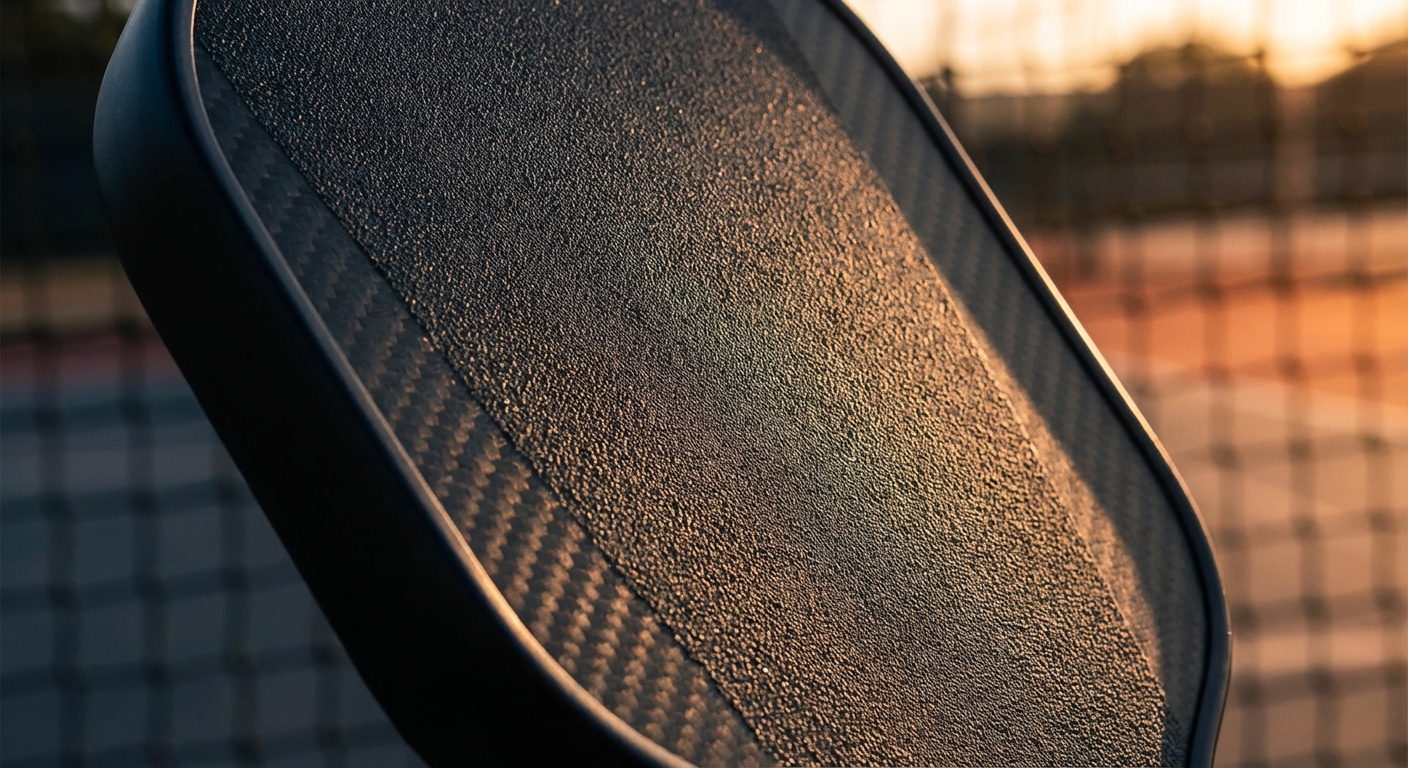
The textured carbon fiber surface grips the ball like a set of fresh tires on asphalt, making it incredibly easy to shape your shots, roll your dinks, and hit dipping drives. The SK Film technology does a fantastic job of reducing paddle vibration, which your elbow will thank you for after a three-hour session.
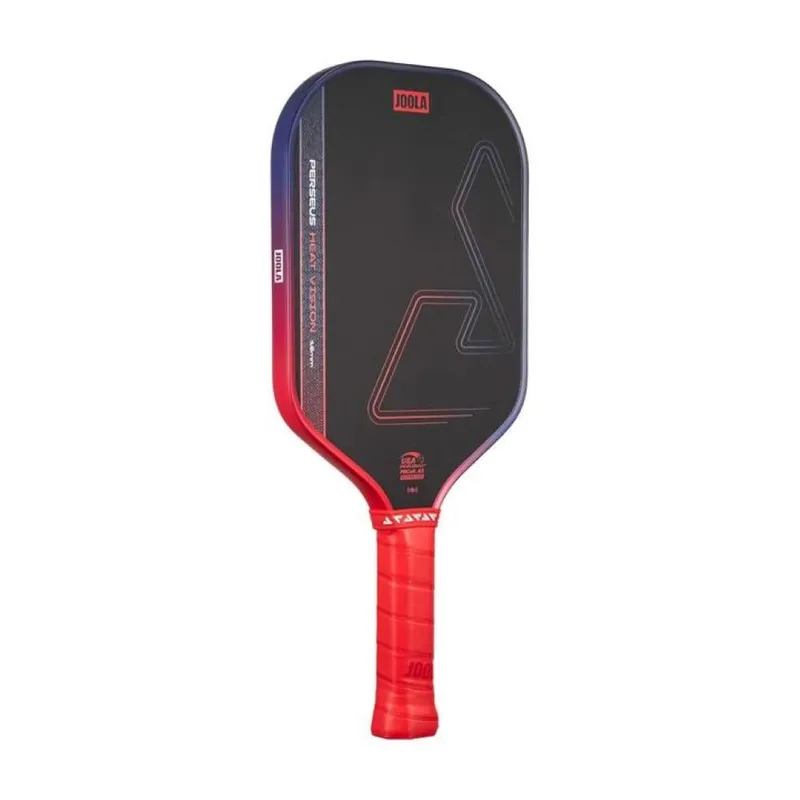
At $99.95, it's surprisingly accessible for the amount of tech packed into it, including an NFC chip in the handle for exclusive content. However, the advanced features and stiffer feel might be a bit much if you're just starting your pickleball journey. The robust unibody construction also means it handles aggressive play exceptionally well, maintaining its integrity over countless matches.
The value proposition of the JOOLA Perseus is hard to ignore, especially when compared to other thermoformed paddles on the market that easily cost twice as much. It sets a new baseline for what players should expect from sub-$100 equipment.
Head-to-Head Performance Analysis
Core and Face Material Composition Comparison
Here's where the rubber meets the road. The Selkirk uses a fiberglass face paired with a polypropylene core, which acts like a springboard. It's fantastic for raw power and gives a satisfying pop. The JOOLA, on the other hand, utilizes a thermoformed carbon fiber construction. Carbon fiber is stiffer and more controlled, absorbing energy rather than reflecting it. This makes the JOOLA better for resetting hard drives and generating extreme spin, while the Selkirk wins on effortless power.What is the main difference between fiberglass and carbon fiber paddle faces? expand_more
Fiberglass provides more of a trampoline effect, generating effortless power and "pop." Carbon fiber is stiffer, offering greater control, structural stability, and the ability to generate heavy spin.
Understanding these material differences is crucial because they directly translate to how the paddle behaves when you are defending a smash or initiating an attack.
Spec Snapshot
Core Thickness & Weight:- Selkirk: 16mm core, Midweight design (typically 7.9 - 8.3 oz)
- JOOLA: 16mm core, Standard weight (typically 7.8 - 8.2 oz)
How a paddle is balanced can often be more important than its static weight. Let's look at how these two models behave once you start swinging them.
Weight Distribution and Swing Mechanics Analysis
Swing weight—the way the paddle feels when in motion—differs significantly here. The Selkirk's elongated Invikta shape and Air Dynamic throat shift the balance slightly toward the head. This translates to a higher moment of inertia (it feels heavier to swing but plows through the ball better). The JOOLA feels more balanced in the hand. It's quicker in fast-paced hands battles at the net, whereas the Selkirk requires a bit more preparation but rewards you with a heavier ball.Power vs. Control Performance Profile
If we're talking pure power from the baseline, the Selkirk's fiberglass face takes the cake. It provides that extra zip on your serves and drives. However, the JOOLA dominates the control game. The carbon fiber face grabs the ball, allowing you to hit aggressive topspin dips and precise drops into the kitchen. The sweet spot on the JOOLA feels slightly more expansive due to the thermoformed edges, making off-center hits less punishing.Grip Ergonomics and Handle Dimensions Assessment
Both paddles offer premium grips, but they cater to different hands. The JOOLA features an ergonomic 5.5-inch handle that is perfect for two-handed backhands. The Selkirk has a very comfortable, plush tennis-style grip, but it runs a bit thicker. If you have smaller hands, you might find the JOOLA's grip profile more accommodating.Matching the right paddle to your specific play style is the final piece of the puzzle. Not every paddle suits every player, regardless of how advanced the underlying technology might be.
Who Should Choose Which Paddle
Player Type Match
| Player Profile | Selkirk Amped Pro Air | JOOLA Perseus Heat Vision 16mm |
|---|---|---|
| Best For | Former tennis players and aggressive drivers | The strategic, all-court player |
| Key Benefits | Effortless power, extra reach, plush feel | Heavy spin, precise dinking, quick hands |
| Ideal Playstyle | Heavy drives and high-paced passing shots | Shaping the ball and dictating the pace through placement |
After putting both of these paddles through grueling hours of drills and match play, the distinctions between them became abundantly clear. They each serve a specific demographic of pickleball player flawlessly.
Final Verdict and Recommendations
Both of these paddles are exceptional tools on the court, but they serve different masters. If you're looking for an elongated paddle that delivers effortless power and a comfortable, plush feel at contact, the Selkirk Amped Pro Air is a phenomenal choice, despite the higher price tag.
Our Top Pick

JOOLA
JOOLA Perseus Heat Vision 16mm Pickleball Paddle - Ignite Blaze Red
However, if we have to crown an overall winner for the modern game, the JOOLA Perseus Heat Vision 16mm takes the title. The combination of thermoformed carbon fiber construction, elite spin potential, and a sub-$100 price point makes it an unbeatable value for players looking to elevate their control and spin game.